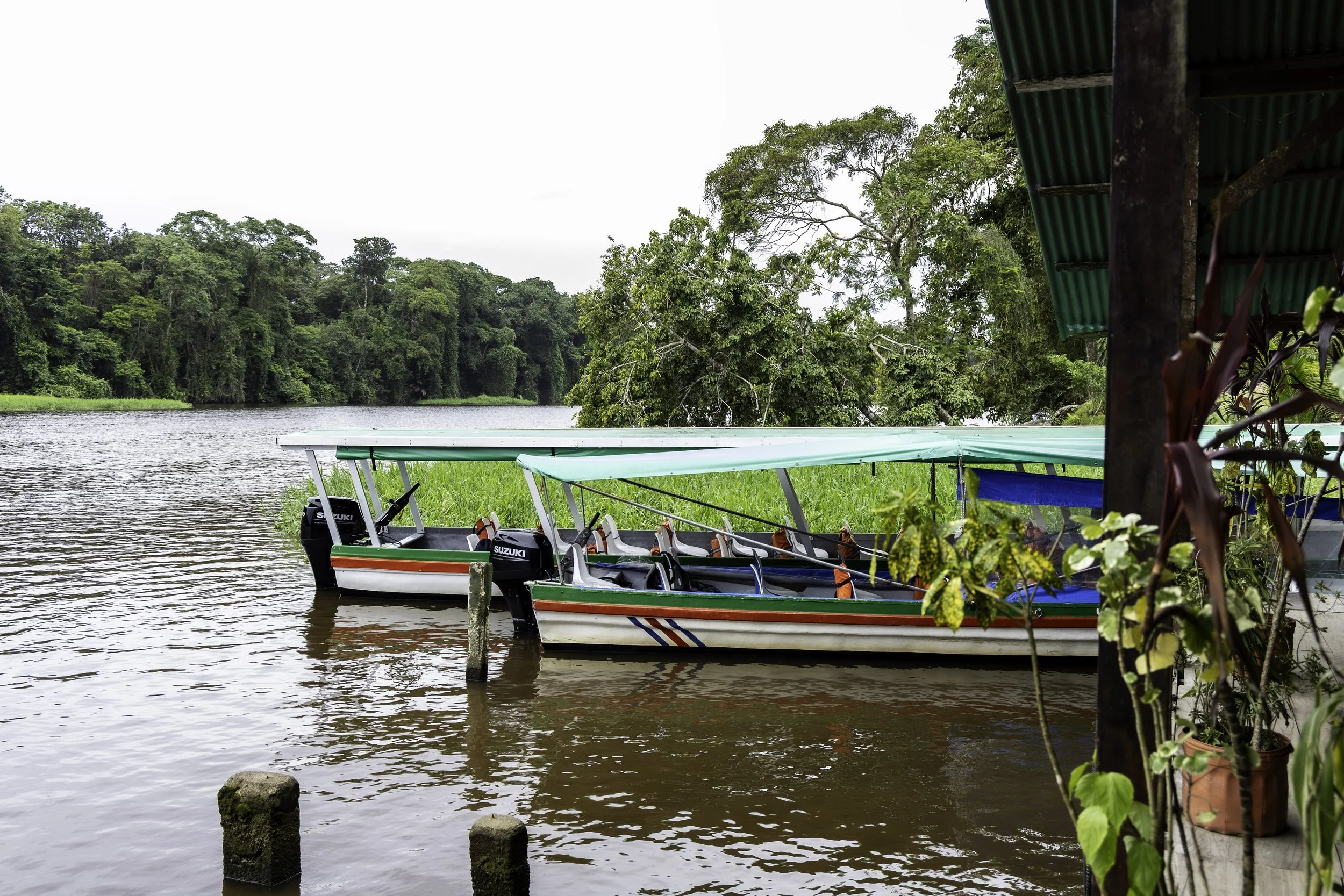
We moved through Costa Rica slowly, by bus, choosing the road over convenience. From that window, the country revealed itself in layers: dense jungle, winding rivers, and towns bursting with color before fading back into green.
But what stayed with me most weren’t the landscapes. It was the homes and the people.
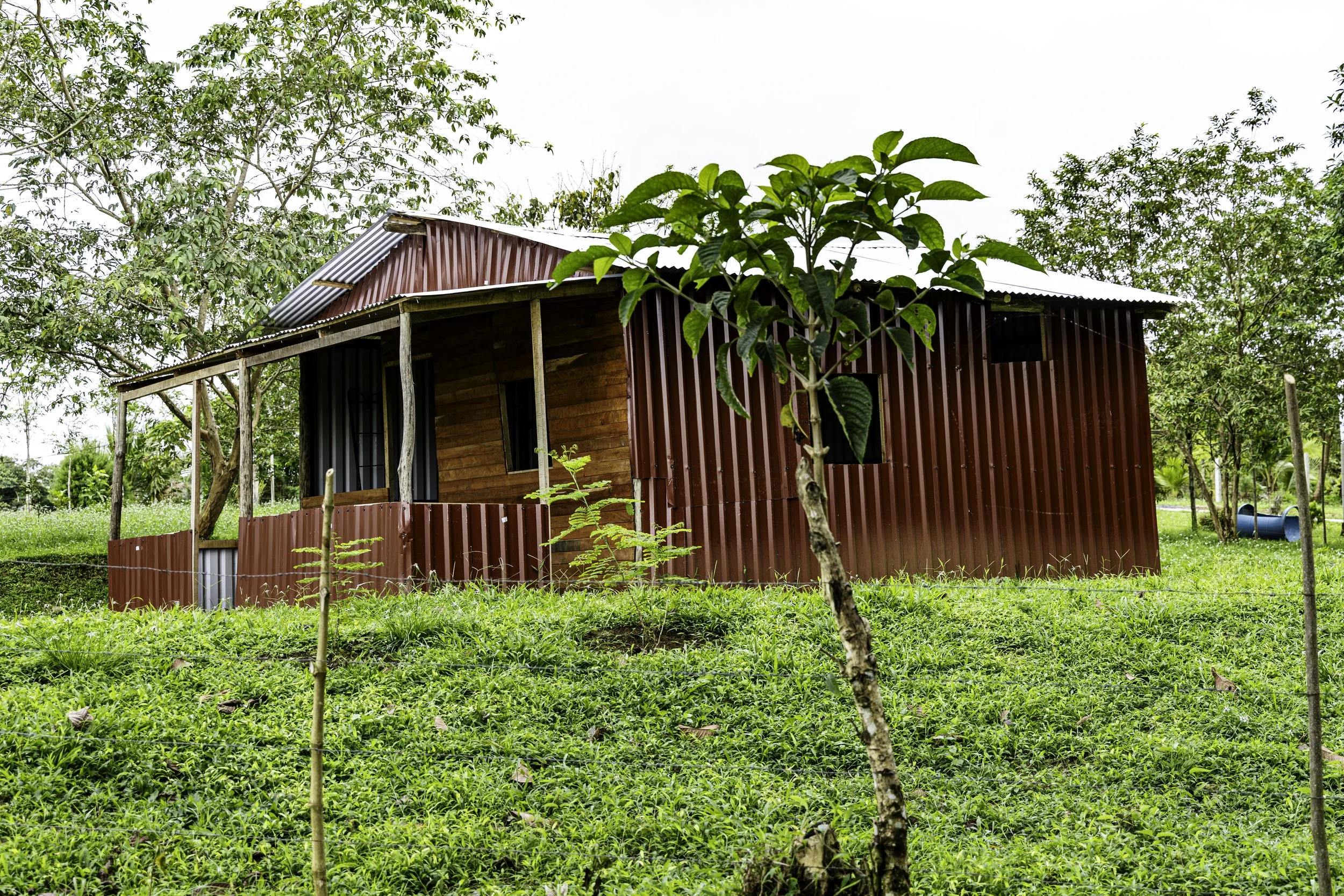
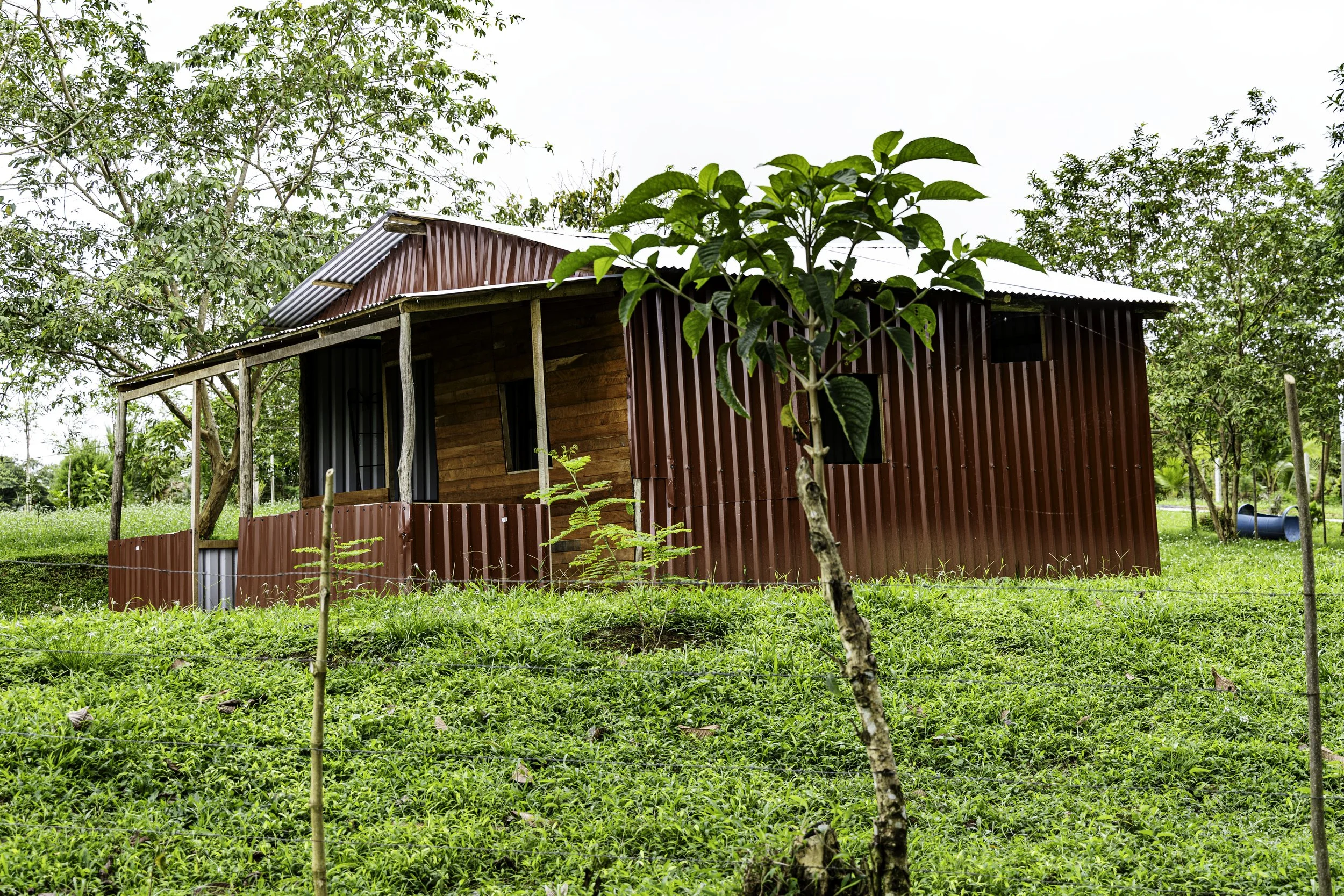
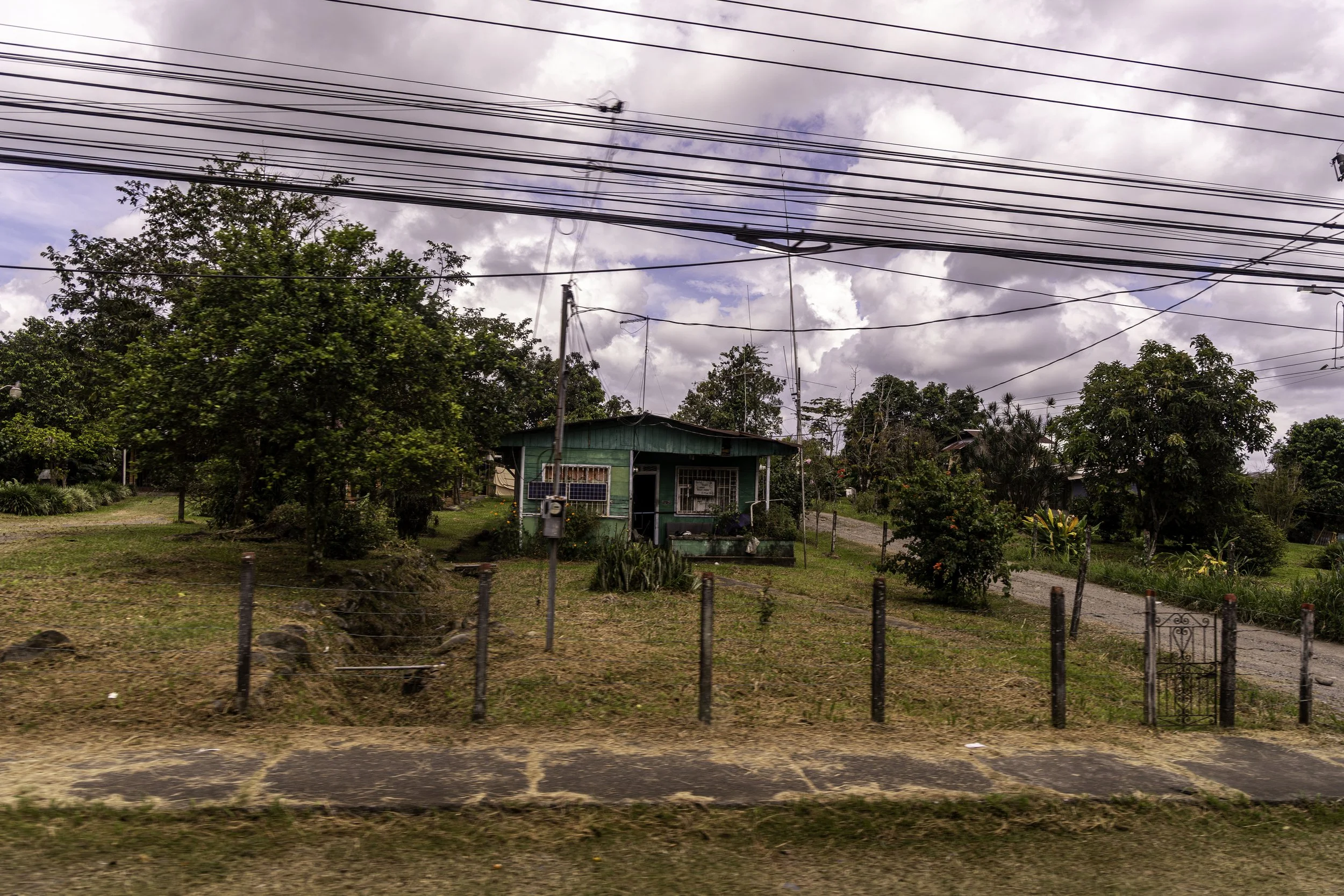
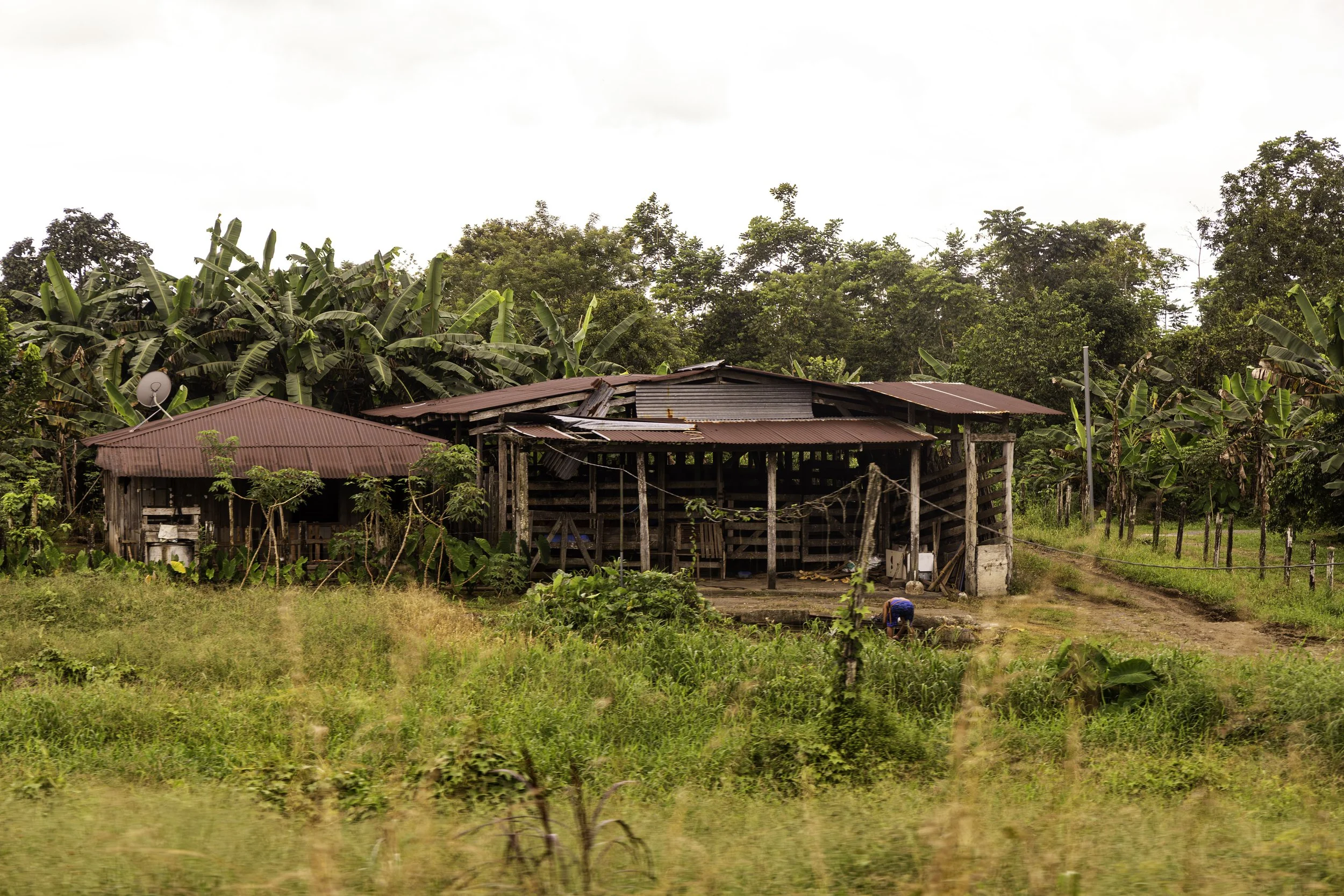
Simple structures, in roofs, weathered wood, hammocks swaying on front porches. To an American eye, they might seem abandoned. But they weren’t. They were full of life.
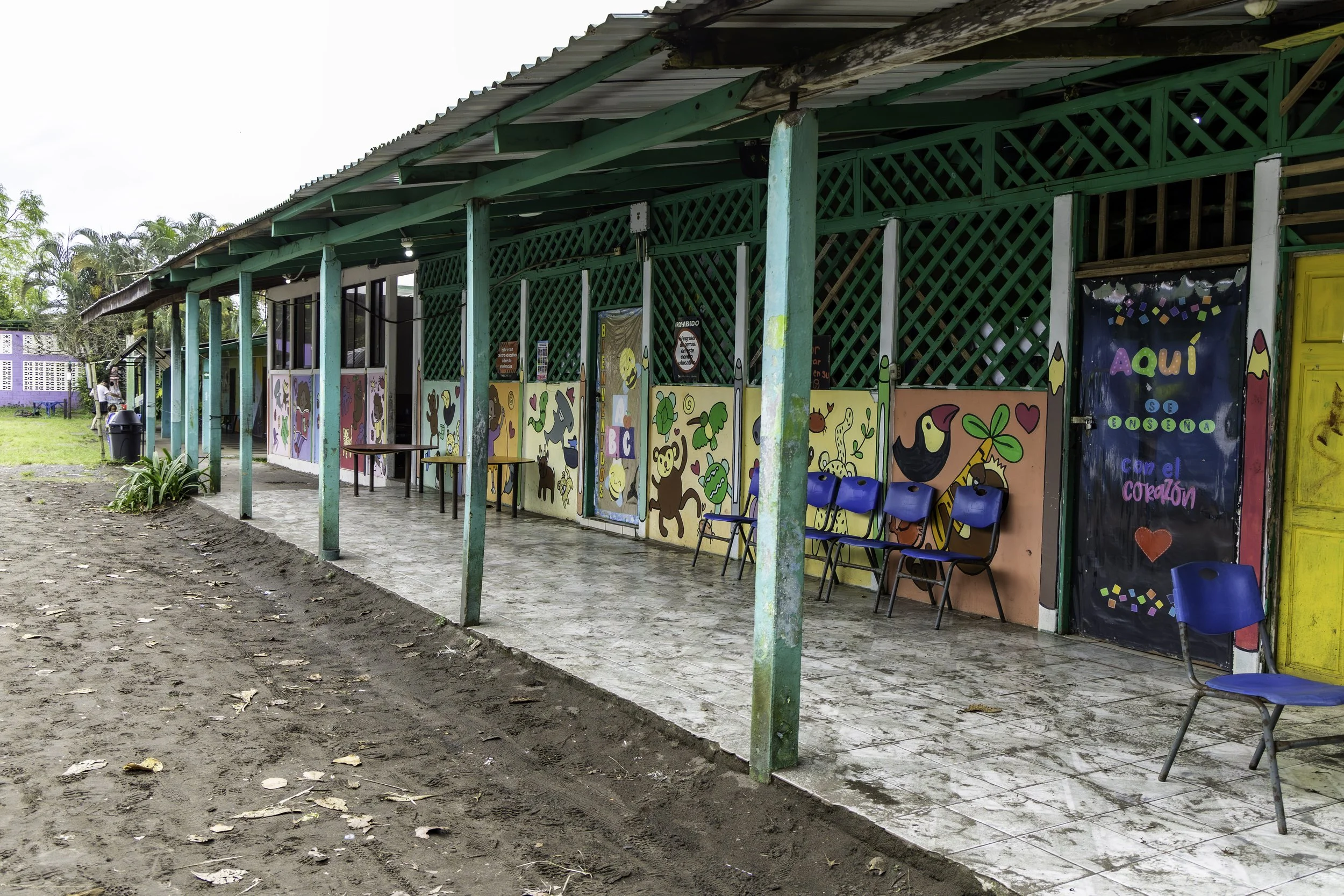
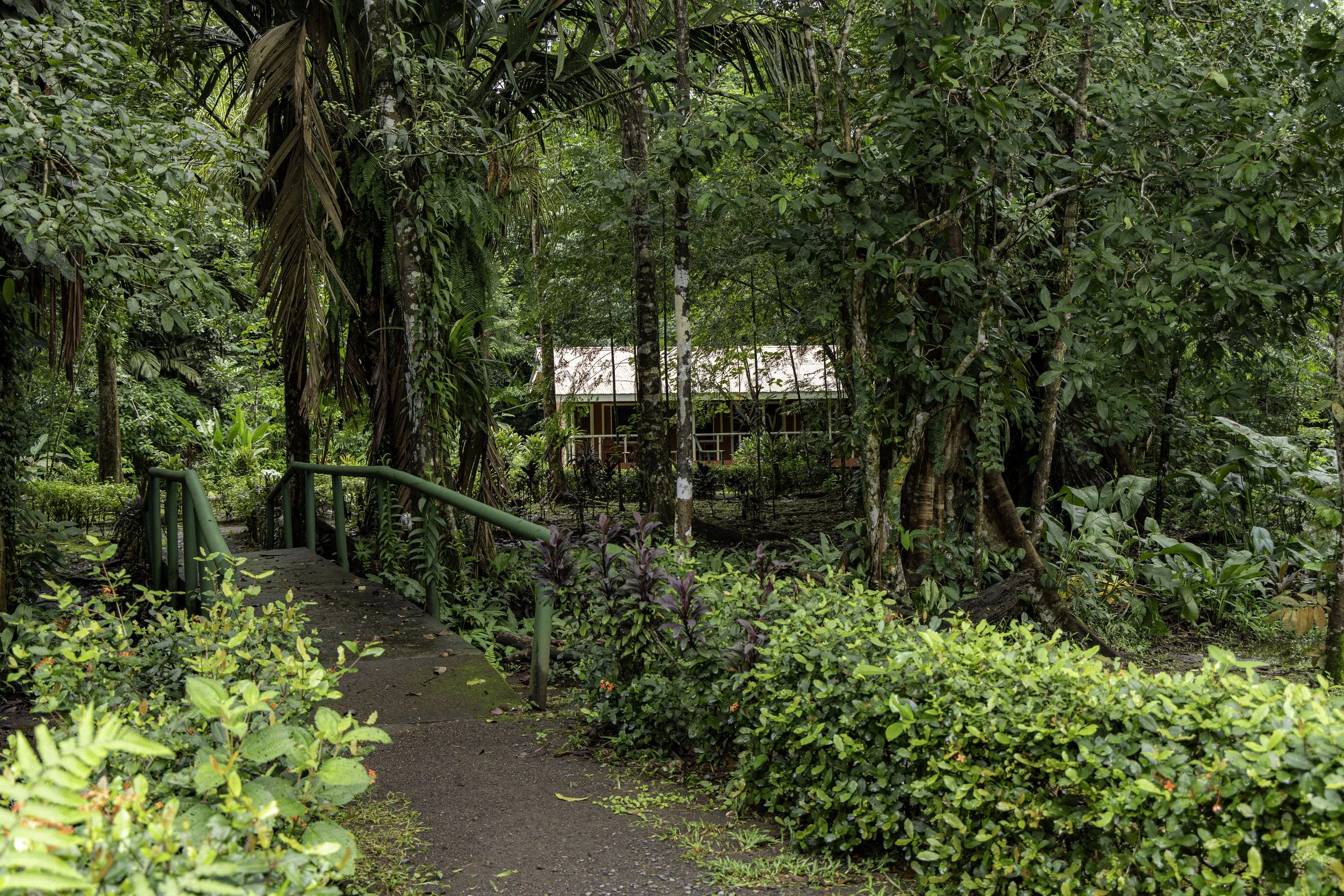
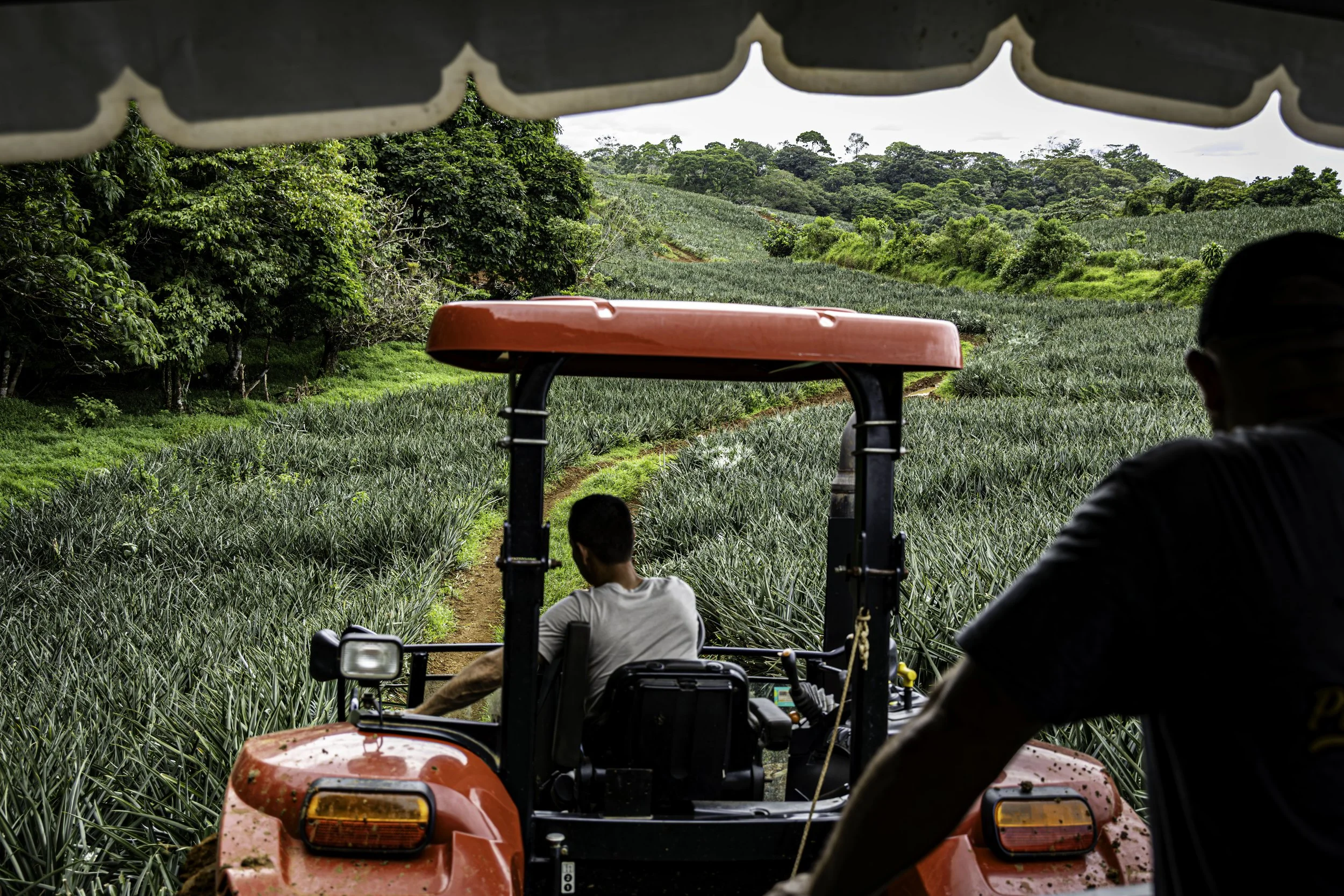
I’ve always been drawn to how people live, the rhythms, the quiet details. In Tortuguero, children played soccer barefoot outside their school, laughter carrying through the humid air. In Sarapiquí, life unfolded outdoors, shaped by the rainforest. And in La Fortuna, beneath Arenal Volcano, there was a warmth in every interaction that felt both grounding and rare.
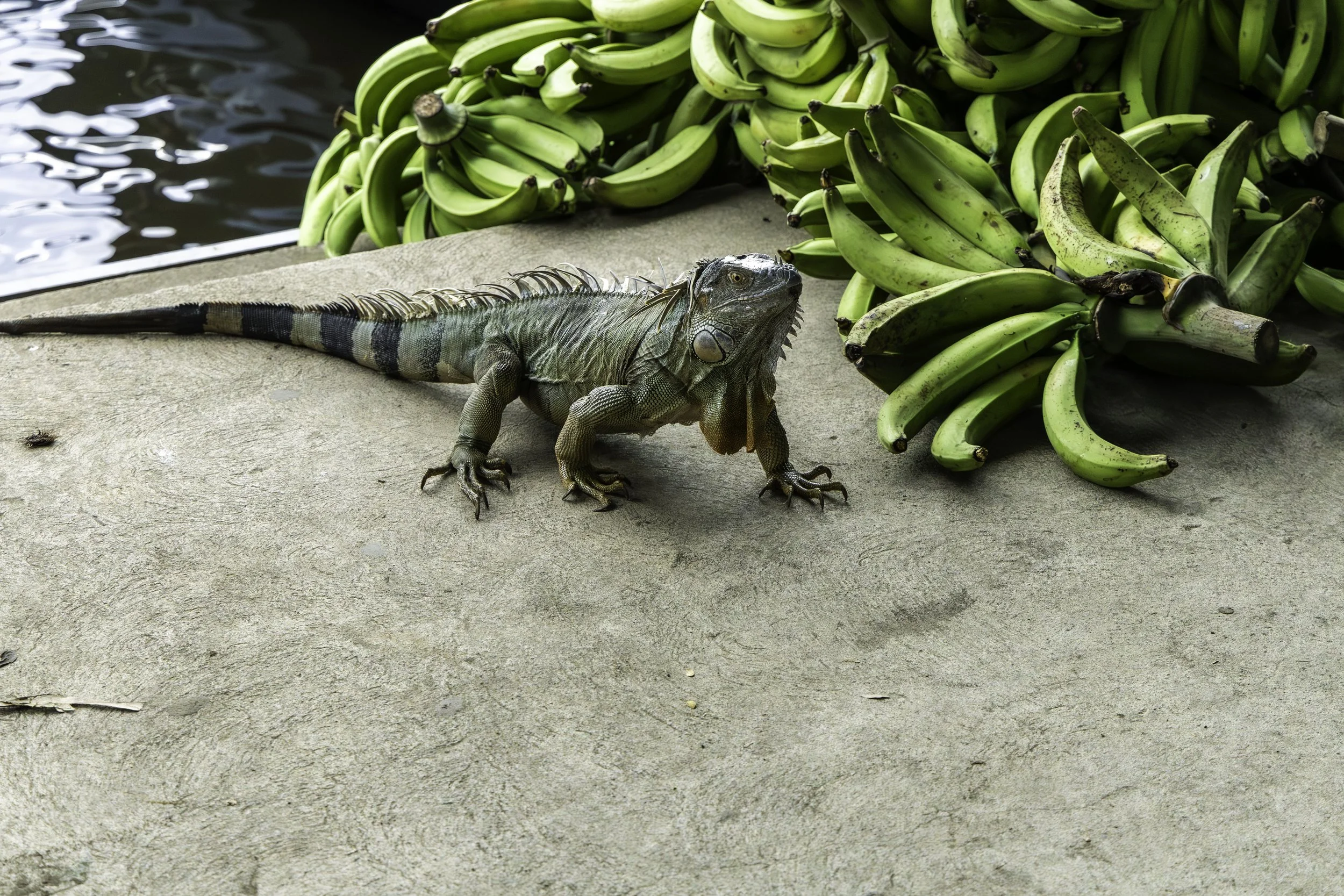
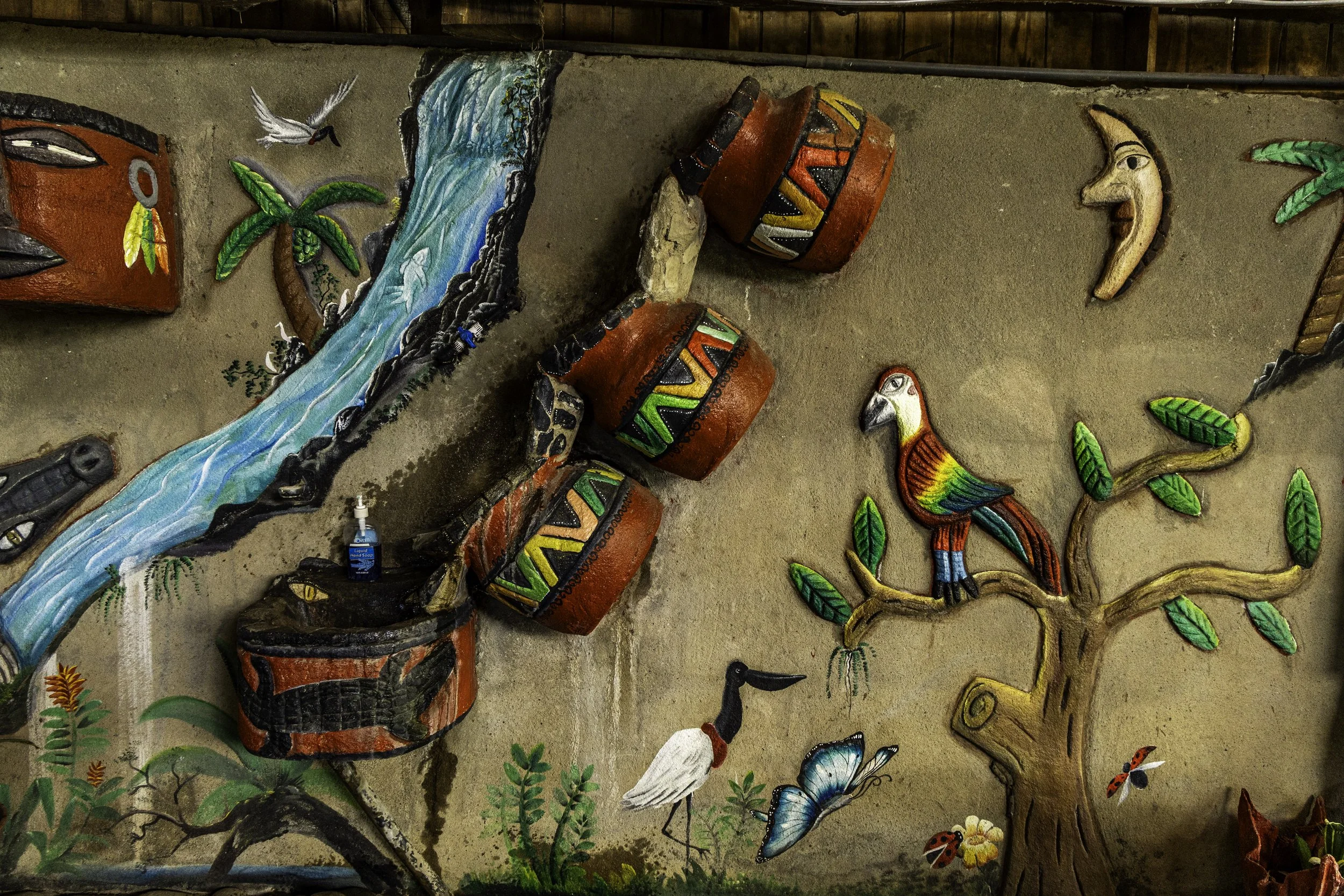
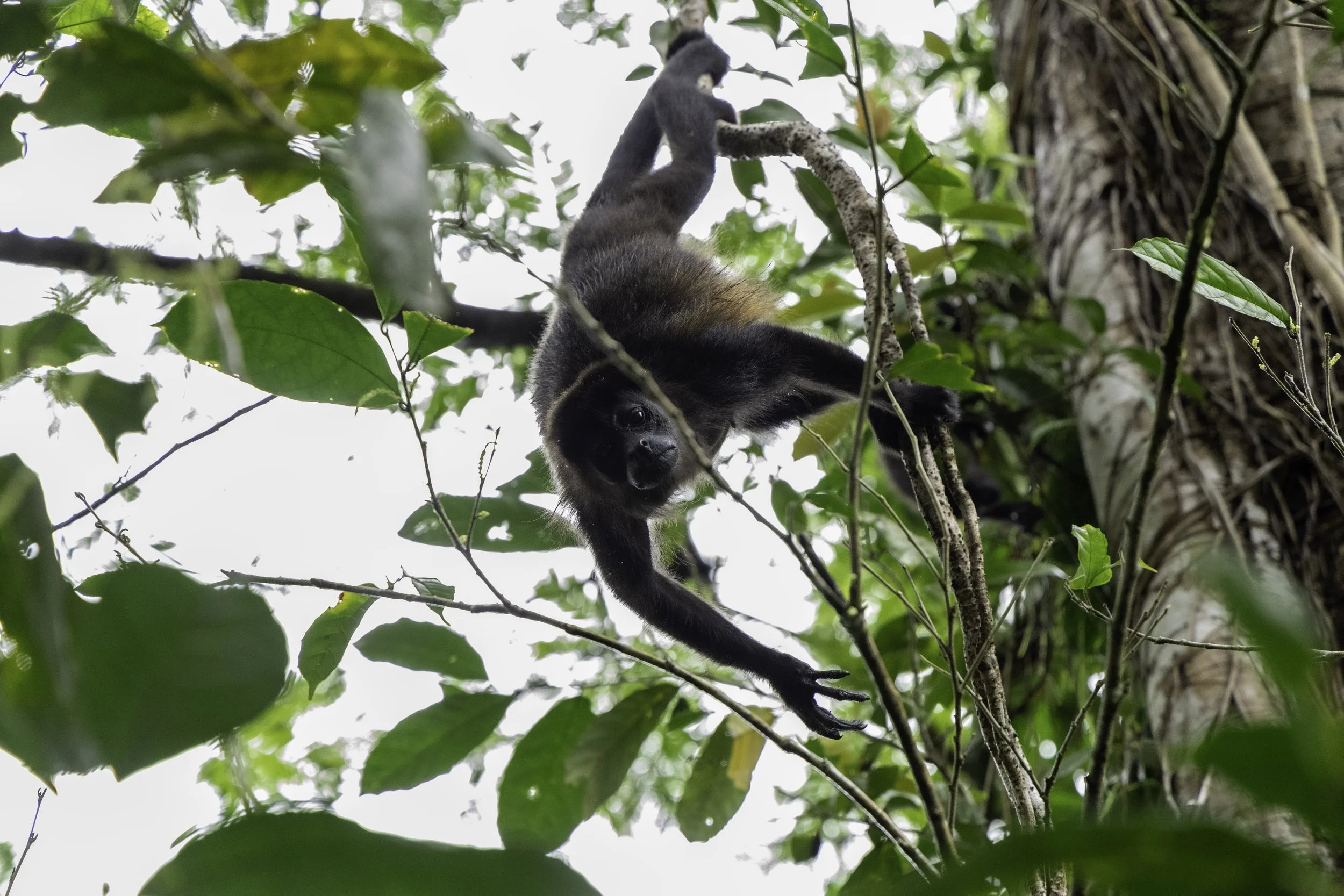
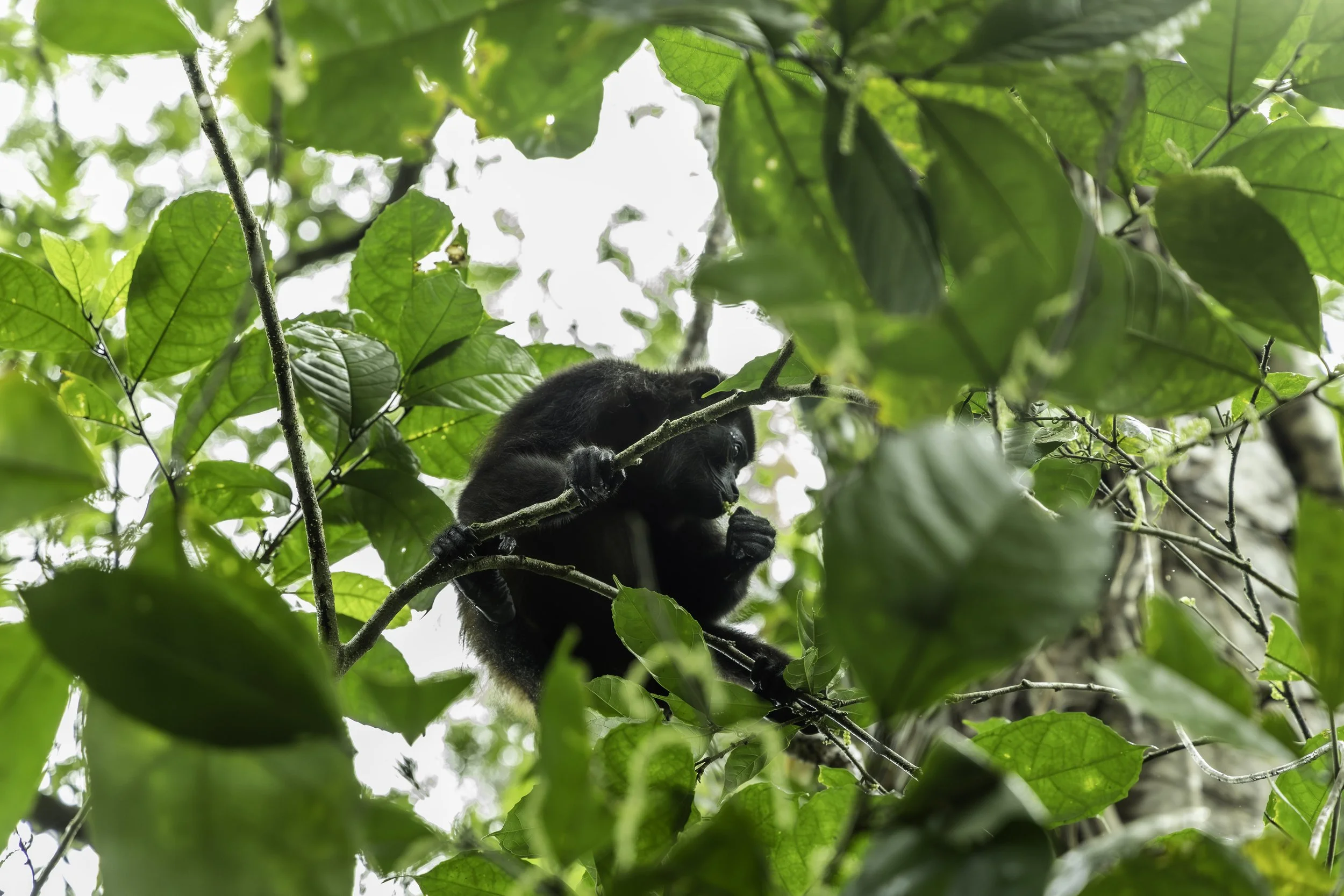
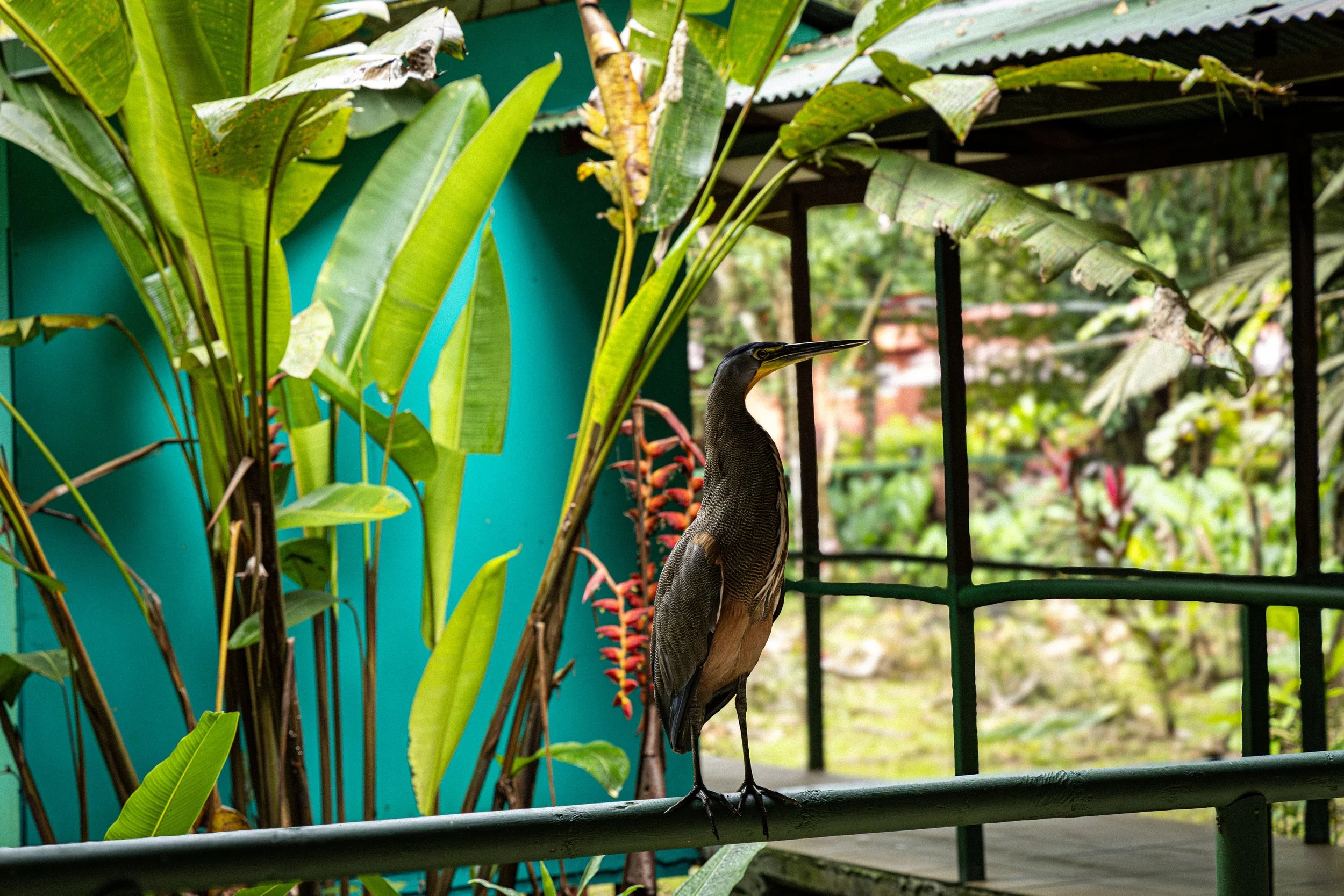
And then there were the animals… everywhere. Monkeys moving through the trees, birds flashing color, iguanas along the paths. They appeared so naturally, so freely, it felt less like we were observing them and more like we were intruding on their world, even as one lingered on a railing beside us at breakfast.
These homes held more than walls and roofs. They held connection, presence, a kind of wealth you can’t measure. I remember wanting to step off that bus, to sit, to listen, to understand. Because while the homes looked modest, you just know the lives within them felt anything but.
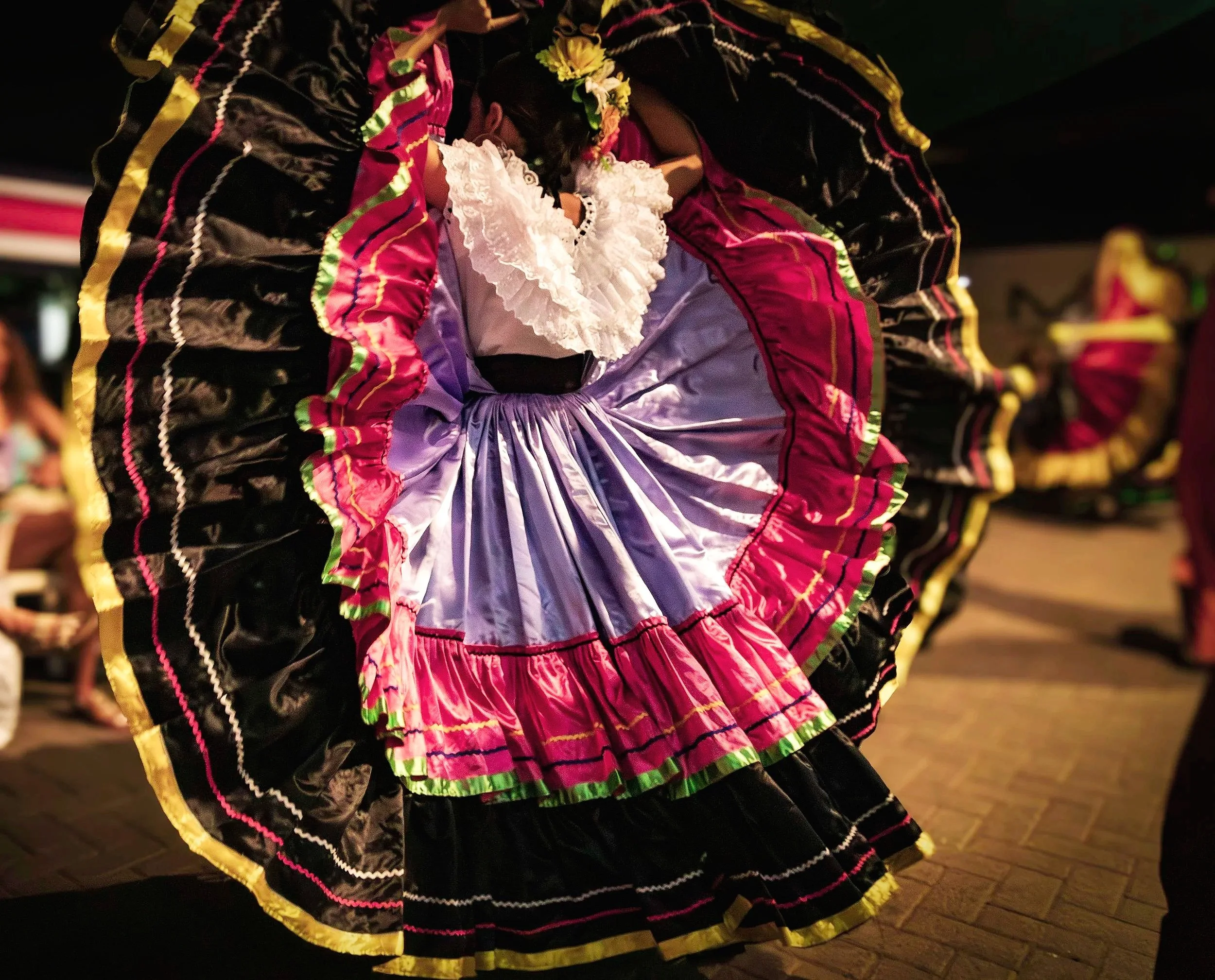
In Costa Rica, they say Pura Vida “pure life.” It’s more than a phrase; it’s a way of living rooted in simplicity, gratitude, and presence. And somewhere along that winding road, watching life unfold beyond a bus window, I began to understand, it’s not about having more, but about living fully.